Emblazoning the cover of the Country Life issue of October 28, 1949, above a black-and-white photograph of Clarence House glimpsed from the garden of nearby St. James’s Palace, was the announcement:
Princess Elizabeth’s London Home: First Pictures.

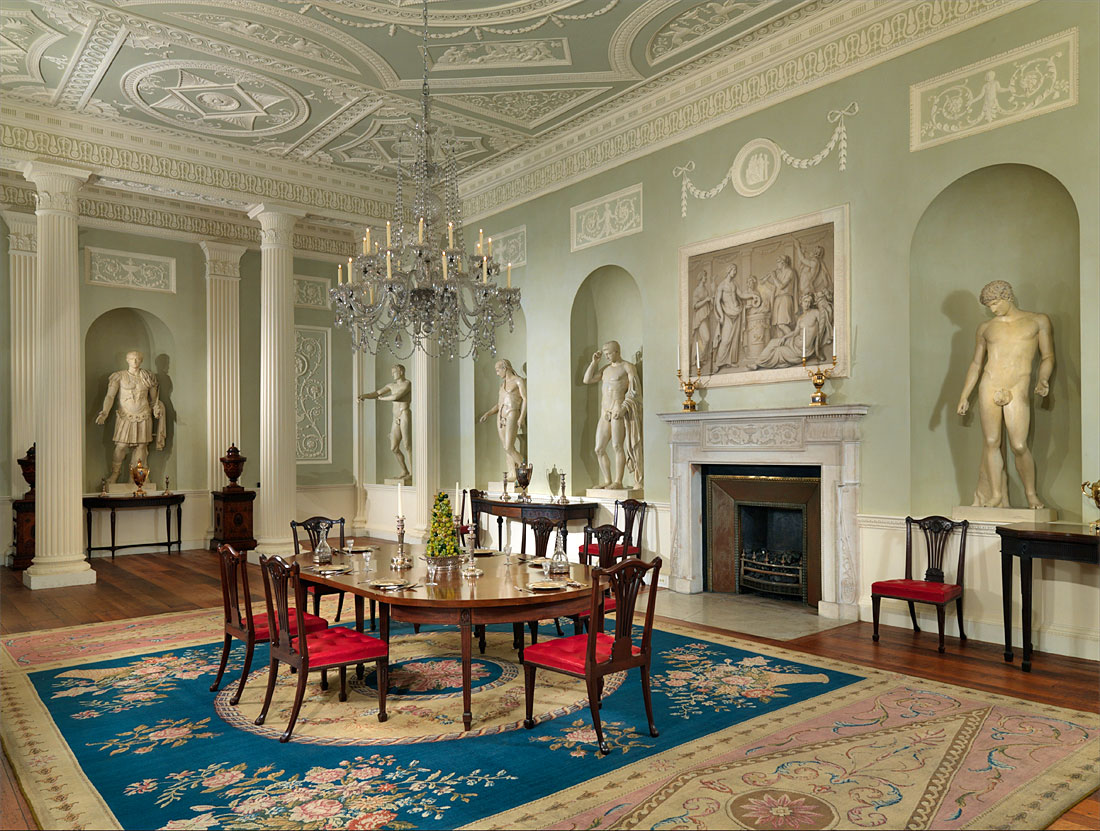
Emblazoning the cover of the Country Life issue of October 28, 1949, above a black-and-white photograph of Clarence House glimpsed from the garden of nearby St. James’s Palace, was the announcement:
Princess Elizabeth’s London Home: First Pictures.
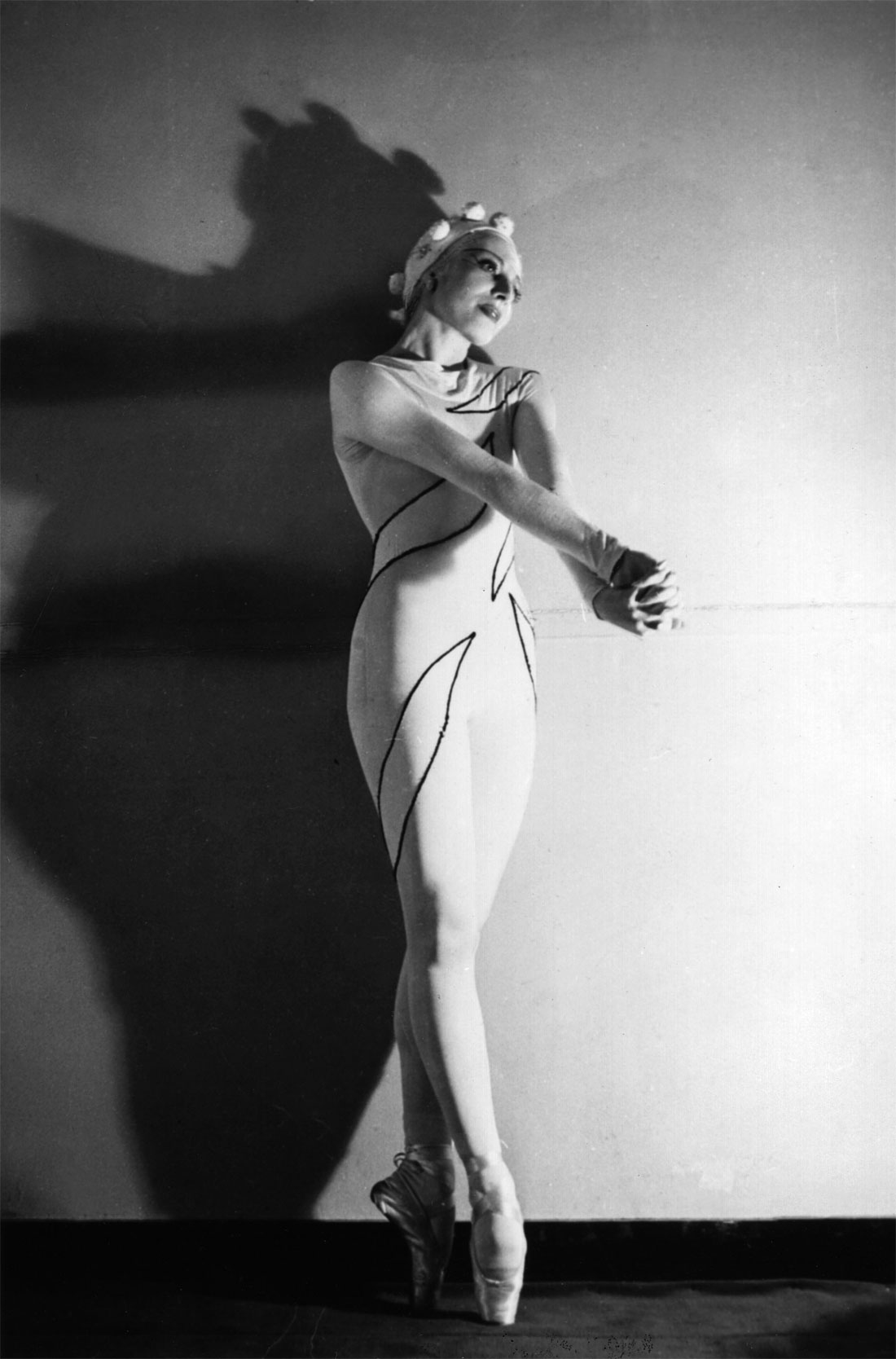
How many triumphant evenings, what miracles of artistry, what gasps of admiration, what beating hearts and clapping hands, what Arabian nights do these scenes and dresses represent, which are now to be sold to the highest bidder?
—Richard Buckle, Sotheby’s Catalogue, July 1968
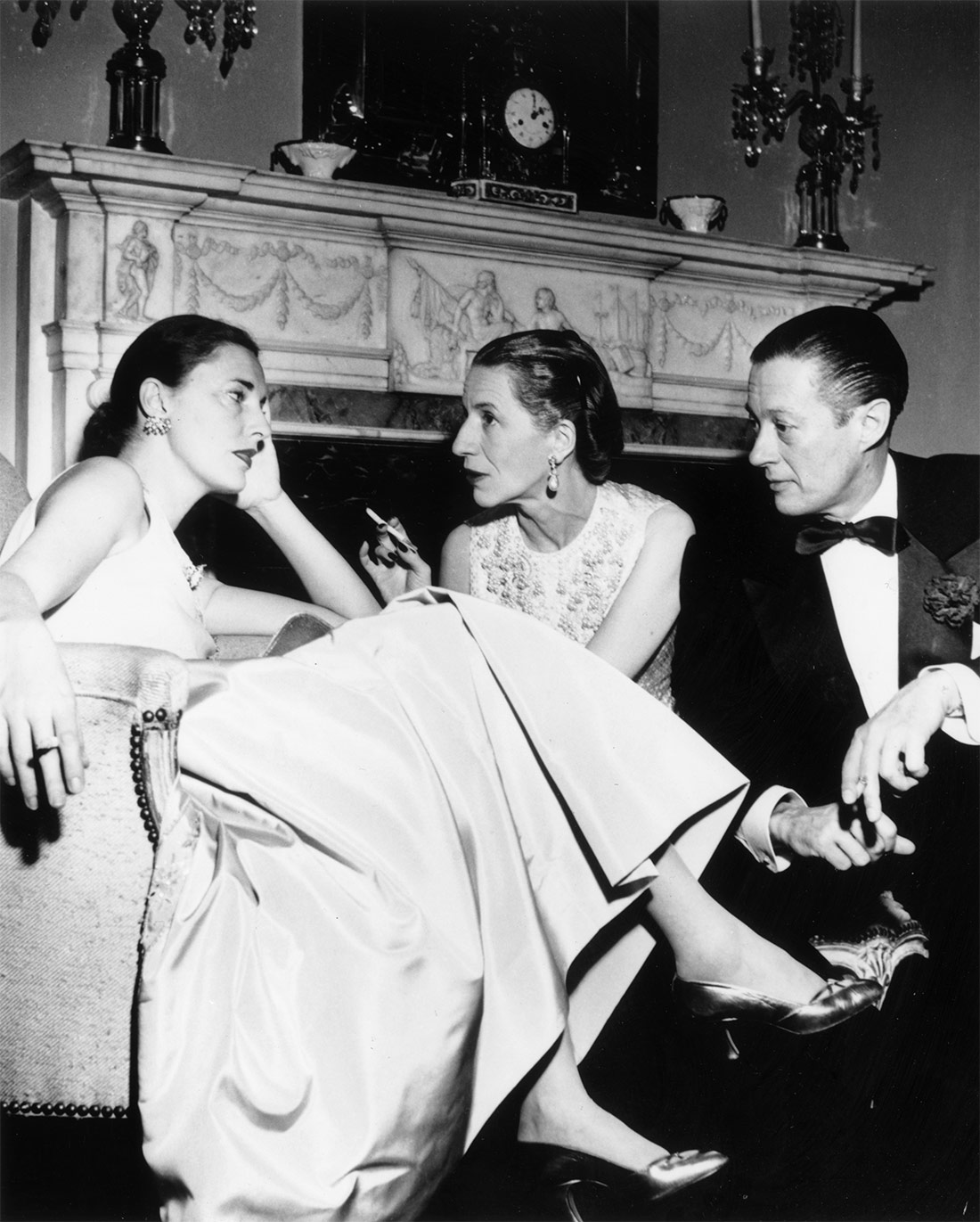
Writing to an acquaintance in a letter dated February 17, 1947, Diana Vreeland, the flamboyant fashion editor at Harper’s Bazaar, recounted a recent trip to California and all the wondrous sights she had beheld there. In sentences bursting with impressions thrown off like vivid, colorful splats on a canvas, she conjures up scenes of film stars on sound stages, homes of the rich and famous in Palm Springs and Santa Barbara, dress factories in Hollywood and socialites up and down the coast, art collectors with French pictures and, the most amazing of all to her, how in Hollywood everybody—stars, agents, producers, directors, waiters, people in shops—has the most wonderful teeth.
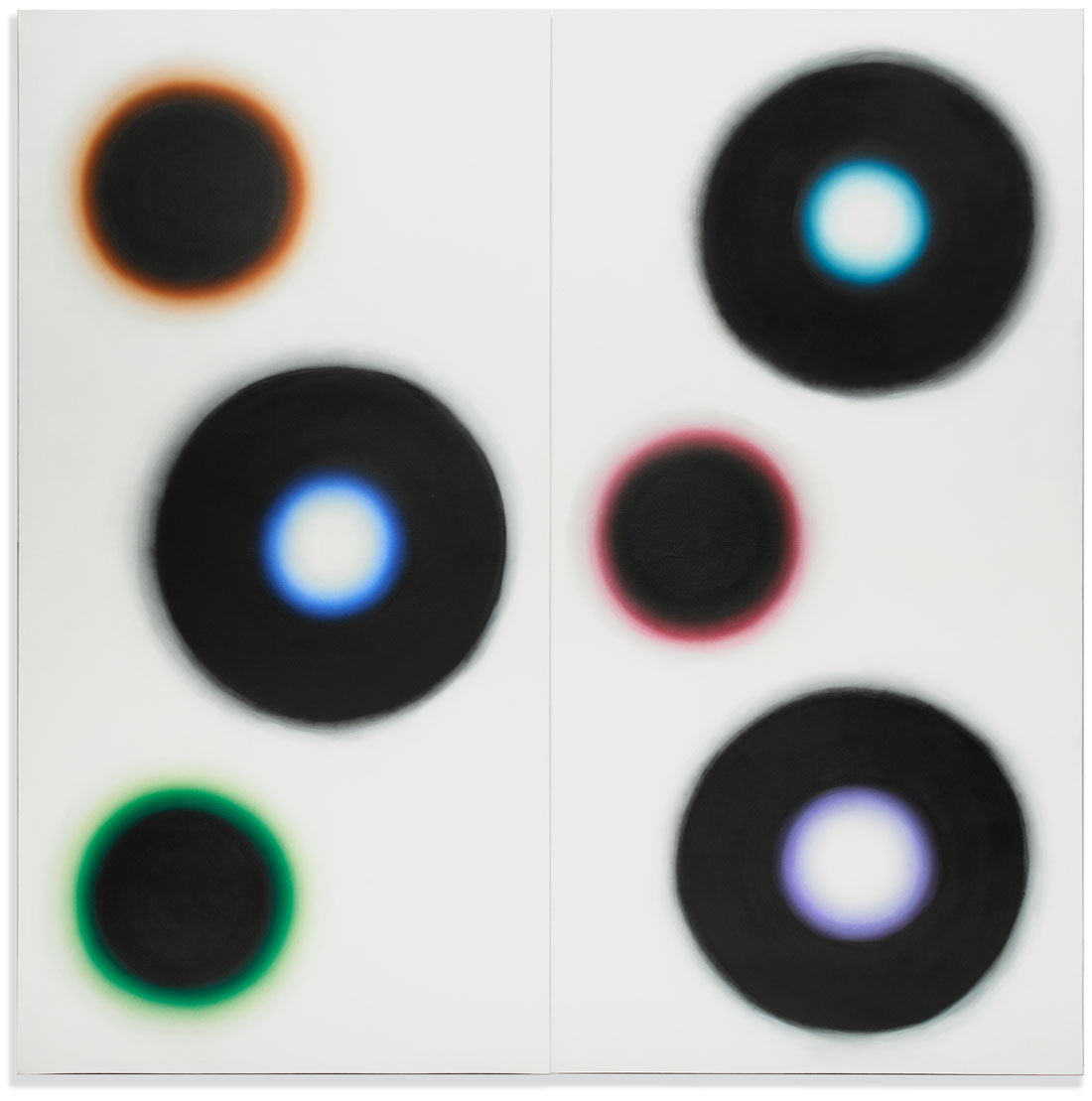
“Why the Art World is Desperately Seeking Forgotten Artists”
—Artnet.com headline, 9/16/16
The road to Hana is an adventure, especially in a heavy rain when boulders may come down and mudslides close the road. I arrived at the airport in Kahului from San Francisco in late afternoon, picked up my rental car and was on the road near sunset. Read More “A Painting in Maui”

Rummaging through the dim, cavernous room of art titles at a used bookseller in New England on a recent weekend I came across something that leaped out at me, if only for the author’s name on the spine. I pulled the book out and peered at its title on the drab blue dustjacket. Artistic Theory in Italy, 1450-1600, it read: something to quicken the heart of an art history doctoral candidate perhaps but surely no one else. But I bought the book anyway. At home taking a closer look I noticed on the flyleaf, penciled-in by the knowing bookseller just below the price and above a “Blackwell’s Oxford” stamp, this cheeky notation:
“Spy!”

“I’m not bad, I’m just drawn that way.”
This wonderful line of purring dialogue, spoken by Kathleen Turner as the voice of sultry cartoon nightclub singer Jessica Rabbit in the 1988 Disney film Who Framed Roger Rabbit, sums up the charm, naughtiness and illusory magic of animation art. Anything that can be drawn will come to life on the big screen!

“When I joined the business in 1946 it was a cottage industry. Now it’s very big business. It’s nowhere near as pleasant. There’s so much money at stake. So many people carping and so much criticism. It used to be very gentlemanly. Now it’s a harsh business.”
—Sir Hugh Leggatt (1925-2014)

“Nowhere on earth was painting lived as intensely as below Fourteenth Street, where, after every night of beery camaraderie, painters still had to face the decrepit walk-ups and the scramble to make rent.”
—Patricia Albers, Joan Mitchell: Lady Painter
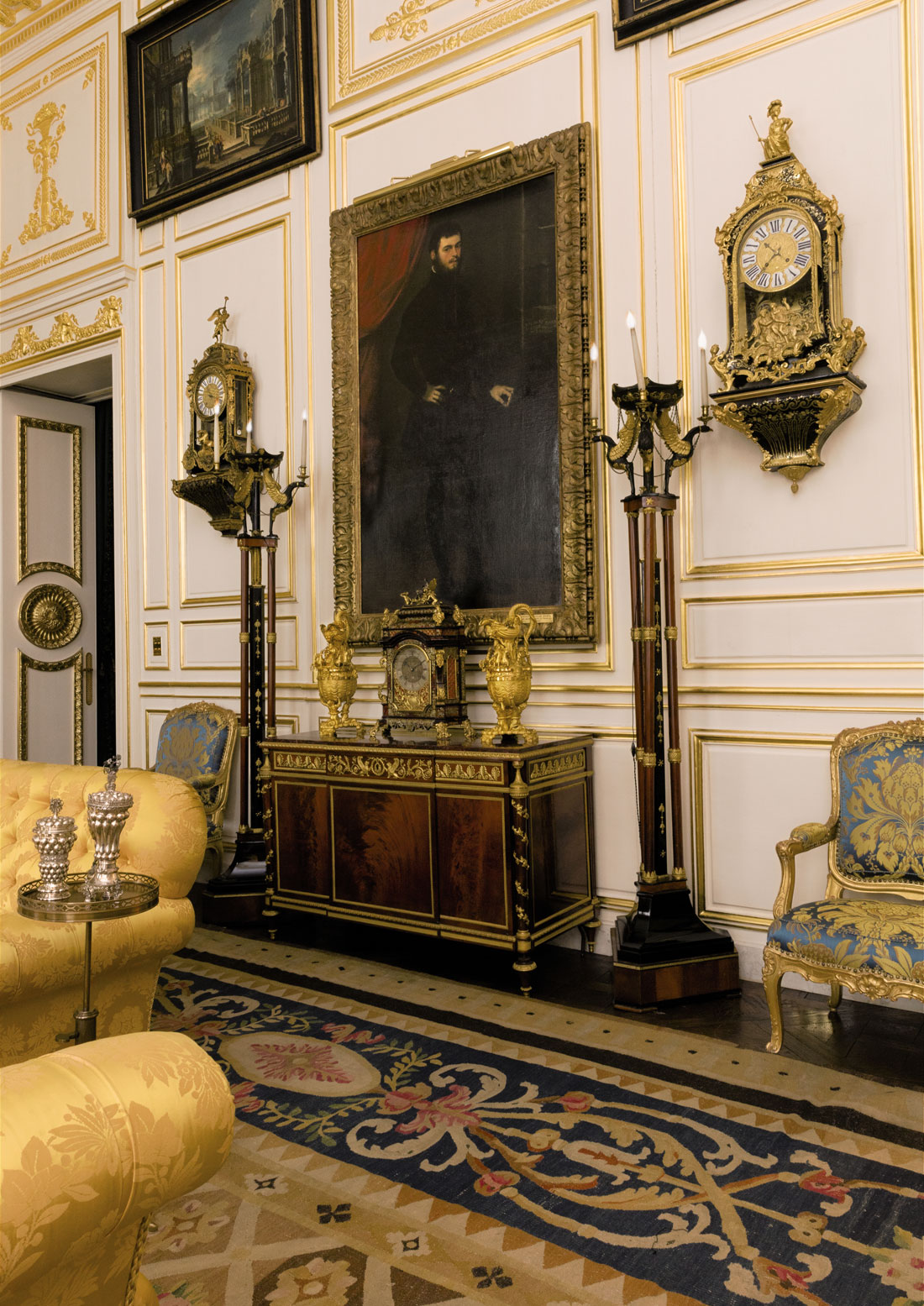
Solid mahogany! What pictures of impregnable financial fortresses, of widespread surfaces brilliant with the gleam of candles and the glint of silver, of all of the spacious hospitality of by-gone days will be brought to mind by the words. Solid mahogany!
—Mahogany Antique and Modern (1926)
Having collected over the years many of the glorious catalogues published by the Museum of Modern Art going back to the 1940s—on a dizzying array of topics such as Futurism, Britain at War, 20 Centuries of Mexican Art, Americans 1942, Bauhaus 1919-1928, New Japanese Photography, Built in USA: Post-war Architecture, and any number of artist monographs—I recently came across one published in 1958 that I had never seen before. It was a slim, paperbound volume in black-and-white of no stylistic distinction save for the magnificent Brancusi sculpture Blond Negress on the cover. This intriguing booklet was entitled Two exhibitions: The Philip L. Goodwin Collection and Works of Art: Given or Promised.